







New Labour Codes in India – Strategic Transformation for Corporates and ISPL’s End-to-End Support Framework
Introduction
- India has consolidated 29 labour legislations into four integrated Labour Codes, marking an unprecedented regulatory transformation.
- The reforms deliver standardisation, transparency, digital compliance and an expanded scope of workforce protections.
- For corporates and global enterprises, this shift requires strategic planning across legal, HR, finance and operations—not mere administrative adjustment.
- Proactive enablement aligns business models with modern regulatory, ESG and workforce expectations.
Overview of the Four Labour Codes
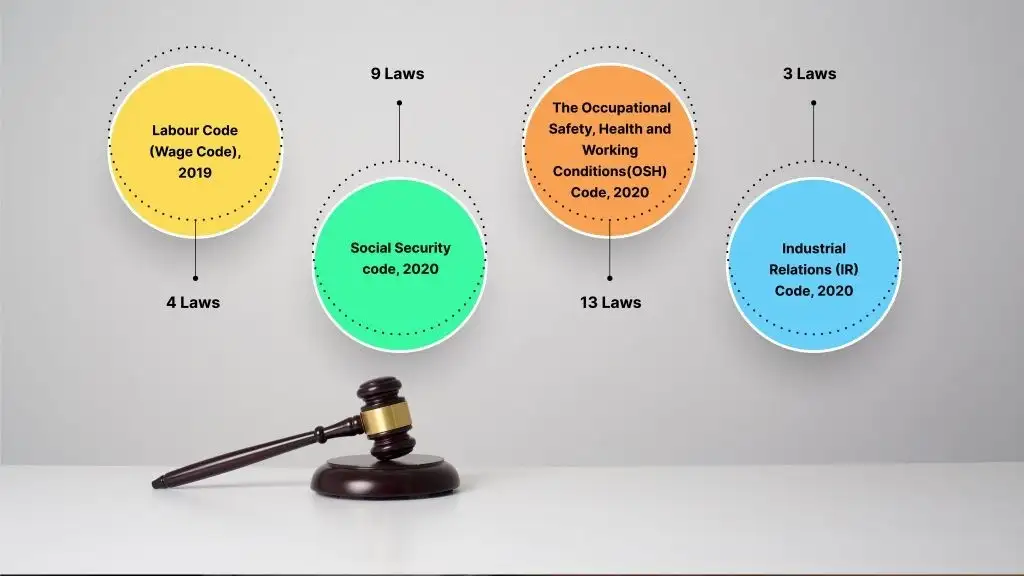
Code on Wages
- National floor wage with expanded minimum wage coverage
- Uniform wage definition impacting PF, gratuity, bonus, and benefits
- Strengthened enforcement on timely and fair wage payments
Industrial Relations Code
- Modern dispute resolution frameworks and trade union recognition
- Increased threshold for layoff and closure permissions (100 → 300 workers in specified units)
- Legal recognition of fixed-term employment with proportional benefits
Code on Social Security
- Consolidated PF, ESI, gratuity, maternity and compensation laws
- Expanded coverage to gig and platform workers
- Greater consistency in employer social security obligations
OSH Code (Occupational Safety, Health & Working Conditions)
- Defined working hours, overtime, welfare and facility norms
- Stronger health, hygiene and safety compliance expectations
- Permission for women’s night shifts with mandatory safeguards
Key Implications for Employers
- Direct impact on employment cost due to wage structure re-alignment
- Mandatory restructuring of compensation architecture
- Workforce agility through formalisation of fixed-term and gig models
- High-focus safety and welfare obligations requiring operational upgrades
- Strengthened documentation and HR compliance mandates
- Elevated responsibility for contractor governance and supply-chain compliance
- Tightened monitoring of working hours, register maintenance and digital filings
Critical Changes Every Employer Must Track
- National floor wage becoming the baseline for all wage structures across states
- Revised uniform wage definition influencing PF, gratuity, bonus and other statutory costs
- New overtime and working hour frameworks requiring payroll and shift planning alignment
- Mandatory appointment letters across categories of employees
- Fixed-term employment treated at par with permanent employees for benefits
- Government approval threshold for layoffs and closures expanded in specified units
- Single-licence provisions for contract labour operations across states
- Gig and platform workforce formally recognised under social security coverage
- Enhanced safety conditions and infrastructure norms under OSH compliance
- Protection and welfare compliance for women working night shifts
- Requirement for annual medical examinations for certain worker categories
- Digital record-keeping and reduction of multiple registers and formats through integrated systems
Compliance & Business Risks if Organisations Delay
- Statutory penalties and adverse regulatory outcomes
- Litigation relating to wages, classification and workforce management
- Industrial unrest if change communication is mishandled
- Brand and ESG perception risks due to labour governance lapses
- Business continuity challenges from contractor non-compliance
Strategic Priorities for Enterprises
- Comprehensive labour compliance audit and gap alignment
- Rationalisation of basic-to-allowance ratios within compensation structures
- Redrafting of HR Manuals, contracts and Standing Orders
- HRIS and payroll system upgrades for full statutory automation
- Structured contractor compliance assurance mechanisms
- Safety and workplace infrastructure strengthening
- Leadership and workforce communication for smooth transition
ISPL’s Expertise in Navigating Labour Code Transition
| Category | Services |
|---|---|
| Compliance Impact Assessment |
|
| Compensation Architecture & Payroll Re-Engineering |
|
| Documentation and Policy Modernisation |
|
| Contract Labour & Vendor Governance Strengthening |
|
| Workforce Safety & OSH Compliance |
|
| Industrial Relations & Change Management Support |
|
| Governance, Monitoring & ESG Integration |
|
Recommended Transformation Roadmap
- Assessment and gap analysis across all business units
- Policy and compensation realignment for compliance assurance
- Implementation and statutory documentation roll-out
- Training, communication and stakeholder alignment
- Continuous monitoring with audit controls and reporting dashboards
Our End Remarks
- The new Labour Codes offer not only a regulatory compulsion but a strategic opportunity to modernise workforce systems.
- Organisations that act proactively will enhance operational resilience, compliance credibility and talent reputation.
- ISPL ensures not just legal alignment but holistic transformation — enabling organisations to become responsible, competitive and future-ready employers.